Developing a Programmatic SEO Framework

Higher worth instead of going after high-volume competitive keywords. With little to no competitors for long-tail keywords, it is more than genuine to protect your place in search results right from the start.
While programmatic SEO has all the elements of conventional SEO, it exceeds them and is more complicated (not in terms of application, though). Programmatic SEO is like a great next-door neighbor who always has salt or sugar to provide. Here are the declarations for standard and programmatic SEO. Traditional SEO is implemented on one site with several pages, whereas programmatic SEO generates numerous SEO-optimized pages.
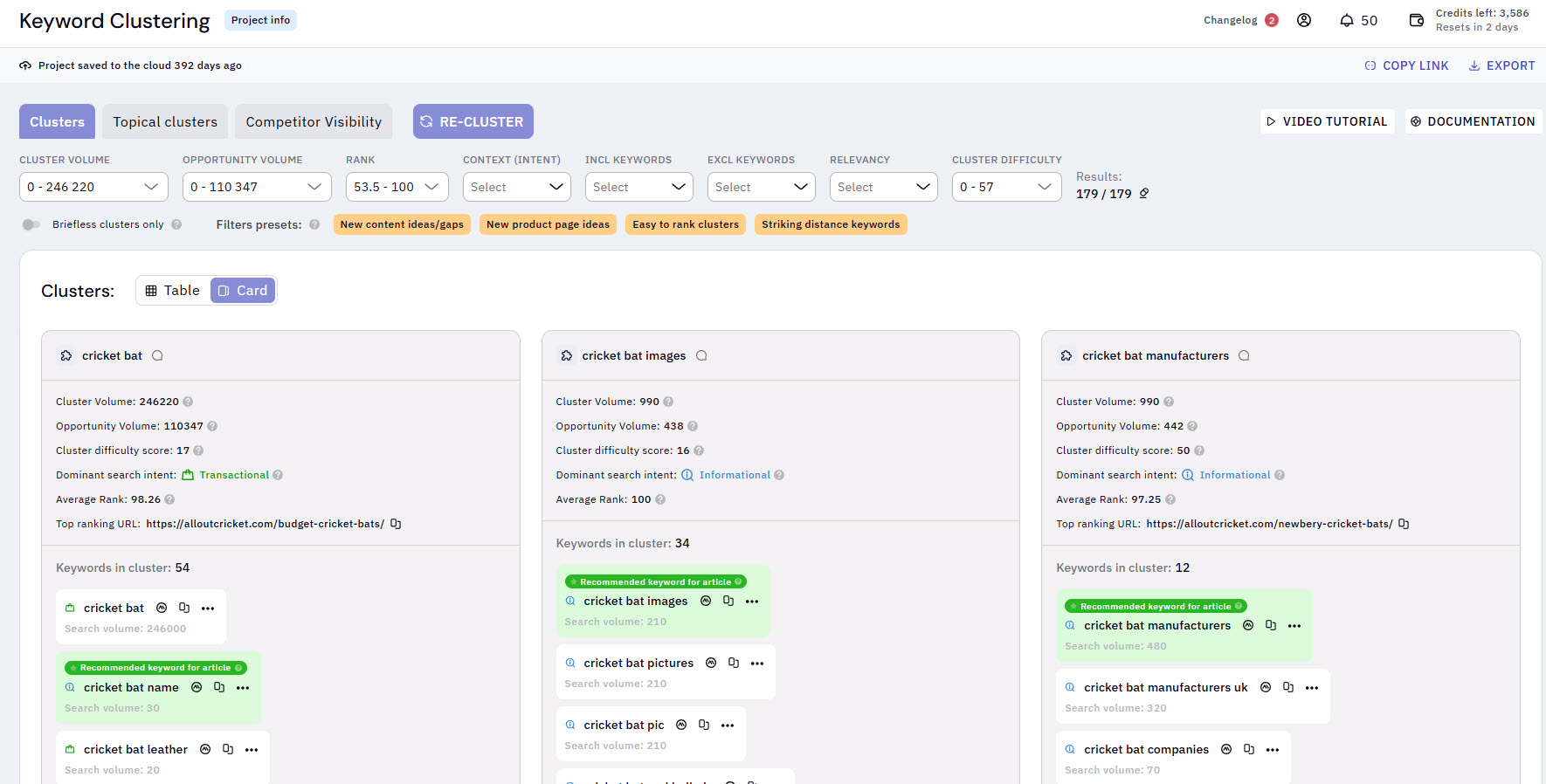
Traditional SEO is restricted in keywords, whereas programmatic SEO is scalable and can have limitless keyword variations. Nonetheless, you can't have a programmatic SEO job without knowing and doing SEO. For an effective programmatic SEO task, you'll wish to include three essential components: long-tail keywords, appropriate material, and SEO-optimized pages.
Long-tail keywords: Those specify, frequently longer phrases that users input into online search engine when they want their search results page to be as accurate as possible. When you target long-tail keywords, you're dealing with the unique requirements of your audience. This implies that competitors is typically lower, making it easier to rank well.
Evaluating the Performance of AI Content Campaigns
Relevant material: To catch the user's attention and provide valuable info, your content should be relevant and lined up with the user's inquiry. SEO-optimized pages: SEO-optimized pages are the technical backbone of the programmatic SEO task. They include the structure, meta tags, headers, and other on-page elements that browse engines use to examine your material.
Developing Your Data-Driven SEO FrameworkAutomation tools and software: In programmatic SEO, automation tools enhance various SEO tasks, such as keyword research, material optimization, and link building. Algorithms and data-driven insights: Programmatic SEO utilizes algorithms and data-driven insights to recognize and carry out SEO strategies tailored to particular business goals and target audiences. Programmatic SEO is a strategic technique with clear actions and no guesswork.
Gather vital data to develop landing pages and automated material. Make sure you keep the data updated and structured for efficient automation.
Before proceeding, make sure that your material, keywords, design, and performance satisfy requirements. Once you have all the essential information and design templates in location, your automated system can create the landing pages.
How to Scale Content Output
Take note of browse rankings, organic traffic, backlinks, and site efficiency to deal with low-performing pages. In other words, the process includes picking keywords, creating a style, and defining the algorithm, that will take your material and put it in the proper locations. We talk a lot about programmatic SEO, but what precisely will you acquire from it? Programmatic SEO permits you to create numerous SEO-optimized websites by automating bulk jobs such as creating material, meta tags, and making site-wide content modifications.
Programmatic SEO depends on information, making choices based upon details instead of uncertainty, leading to more reliable methods and exact results. Dynamic, real-time editing features allow programmatic SEO to adjust to new SEO patterns as they emerge. Absolutely nothing comes without disadvantages and challenges, and programmatic SEO is not an exception.
One potential obstacle in programmatic SEO is the heavy reliance on tools and software application, as the entire process is automated. Make sure you slip peek at your pages time and once again.
Advanced SEO Functions for Marketers
These modifiers really supply the scalability of programmatic SEO. Gather vital information to develop landing pages and automated material. Make sure you keep the information updated and structured for effective automation. Consider the web scraping approach for effective information collection and utilize a Screenshot API to capture visual representations of rival landing pages and content strategies.
This design template needs to be SEO-optimized with meta tags, image alt text, and other SEO factors to consider. Before proceeding, guarantee that your content, keywords, design, and performance satisfy requirements. Here comes the automation part. As soon as you have all the needed information and templates in location, your automatic system can create the landing pages.
Take notice of browse rankings, natural traffic, backlinks, and site performance to deal with low-performing pages. In short, the process includes selecting keywords, producing a design, and defining the algorithm, that will take your material and put it in the proper places. We yap about programmatic SEO, however just what will you get from it? Programmatic SEO permits you to produce numerous SEO-optimized web pages by automating bulk tasks such as generating material, meta tags, and making site-wide content modifications.
Programmatic SEO counts on data, making decisions based upon information rather than guesswork, leading to more reliable techniques and exact outcomes. Dynamic, real-time modifying functions allow programmatic SEO to change to new SEO patterns as they emerge. Nothing comes without drawbacks and obstacles, and programmatic SEO is not an exception.
Why Is AI-Driven SEO Changing in 2026?
One capacity obstacle in programmatic SEO is the heavy dependence on tools and software application, as the entire process is automated. Make sure you slip peek at your pages time and once again.